
Author
Admin SEO
Share
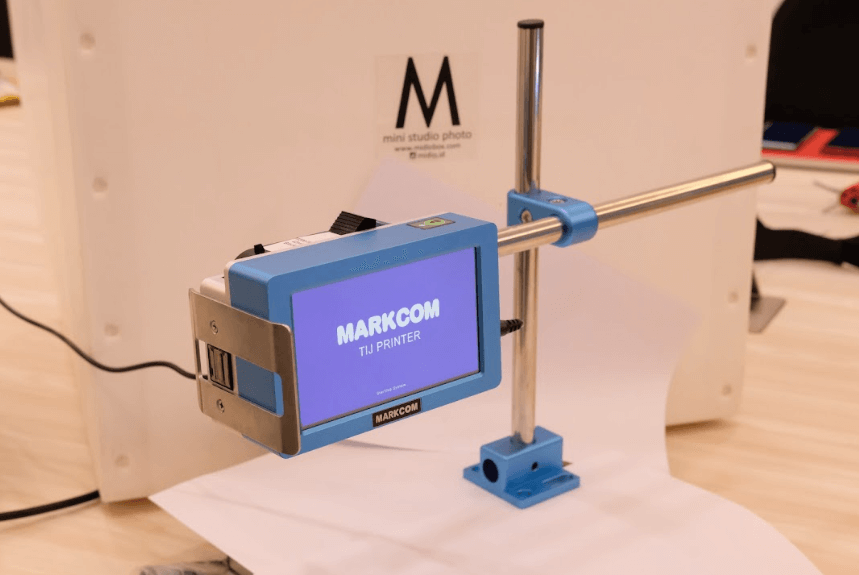
In modern manufacturing environments, accurate labeling is no longer a supporting task; it is a critical operational function. As production lines become faster and supply chains grow more complex, industrial printer labels play a vital role in ensuring product traceability, regulatory compliance, and brand consistency.
This article explores how industrial printer labels support consistent, high-quality labeling in manufacturing, examines key challenges on modern production lines, and explains how advanced printing technologies help businesses improve efficiency, accuracy, and long-term operational reliability.
The Growing Importance of Industrial Label Printers in Automation
Automation has transformed how manufacturers operate, and labeling technology has evolved alongside it. Today’s industrial environments require labeling solutions that are fast, precise, and fully integrated into automated workflows.
This shift places greater emphasis on labeling systems that not only keep pace with automation but also enable seamless identification across multiple production and distribution stages.
1. Ensuring Clear Identification Across Complex Supply Chains
Global supply chains involve multiple touchpoints, locations, and stakeholders. Clear identification through durable industrial printer labels ensures that products, pallets, and components can be tracked accurately at every stage.
Labels typically carry barcodes, QR codes, and variable data that support inventory management and logistics visibility. According to industry insights from Domino Printing, high-quality industrial labeling significantly reduces errors caused by unreadable or damaged labels.
2. Why Consistency Matters for Brand Integrity and Compliance
Consistency in labeling protects both brand image and regulatory compliance. Poorly printed or inconsistent labels can result in misidentification, rejected shipments, or even legal penalties.
Industrial printer labels help maintain uniform appearance, color accuracy, and data clarity across high-volume production, supporting brand trust while meeting industry regulations.
3. Rising Throughput Demands in Advanced Manufacturing
As throughput increases, labeling systems must keep pace without becoming a bottleneck. High-speed production lines rely on industrial printer labels that can be printed and applied accurately at scale, even during continuous operations or frequent product changeovers.
Key Challenges in Achieving Reliable Labeling Performance
Despite technological advances, manufacturers still face several challenges when implementing industrial labeling systems effectively.
1. Variations in Product Shapes, Surfaces, and Textures
Products come in many forms, such as curved bottles, flexible packaging, rough cartons, or metal surfaces. Choosing the right industrial printer labels ensures durability and legibility, regardless of surface conditions or environmental exposure.
2. Line Speed Changes and the Risk of Mislabeling
Fluctuations in line speed can increase the risk of mislabeling or label misplacement. Without synchronized printing and application, errors can occur.
3. Industry-Specific Compliance for Food, Beverage, and Packaging
Industries such as food, beverage, and pharmaceuticals must comply with strict labeling standards, including batch numbers, expiration dates, and traceability codes.

How Modern Label Printing Technologies Improve Production
Technological innovation has significantly enhanced the performance and reliability of industrial labeling solutions.
1. Smarter Print Engines for High-Precision Labeling
Advanced print engines now offer higher resolution, faster processing, and improved print consistency. These innovations allow industrial printer labels to remain sharp and readable, even when printing small fonts or complex codes required for traceability.
2. Connected Printing: Data Capture, Integration & Line Visibility
Connectivity is a key advantage of modern labeling systems. Integrated printers can connect with ERP and MES platforms, enabling real-time data capture and centralized control.
This connectivity allows industrial printer labels to update automatically based on real-time production data, reducing manual input and minimizing human error. For example, QR code integration supports dynamic data access across the supply chain, as explained in this QR code overview.
3. Automated Application Systems for Reduced Manual Handling
Automation reduces reliance on manual labor and improves consistency. Automated applicators ensure that industrial printer labels are placed accurately and securely, minimizing waste and improving overall equipment effectiveness (OEE).
Selecting the Right Label Printing Solution for Your Facility
Choosing the right solution requires a strategic evaluation of both current and future needs.
1. What to Evaluate: Durability, Media Handling & System Fit
Not all labeling systems are created equal. Manufacturers should evaluate label durability, media compatibility, and how well the system integrates into existing production lines. The right industrial printer labels solution should support long-term operational flexibility.
2. Operational Costs, Consumables & Maintenance Efficiency
Beyond upfront investment, operational costs matter. Efficient ribbon usage, reduced downtime, and easy maintenance all contribute to a lower total cost of ownership. Well-designed industrial printer labels systems help manufacturers control costs without sacrificing performance.
3. Markcom’s Role in Supporting Long-Term Labeling Reliability
With deep expertise in industrial identification and automation, Markcom supports manufacturers in implementing robust labeling solutions tailored to their specific needs. From system selection to ongoing support, Markcom helps ensure industrial printer labels perform reliably over time, even in demanding environments.
Insights from customized machinery solutions, such as those highlighted by Weber Marking Systems, further demonstrate the value of expert integration.
Labeling is not just about identification; it is about data, insight, and operational control. By leveraging advanced industrial printer labels, manufacturers can unlock deeper traceability, improve quality assurance, and enhance supply chain transparency.
If you want to understand how this traceability can be taken further at the production level, especially through effective batch number management, read more in our article: Read more: Beyond the Label: The Hidden Benefits of Batch Number Tracking
References:
https://www.domino-printing.com/en-us/products/label-print-and-apply
https://www.weber-marking.com/products/print-apply-systems/
https://www.camcode.com/blog/what-is-a-qr-code/
https://www.zebra.com/us/en/products/printers/industrial.html
Like this?
Read more about our related news & updates!